How Coin Values Shape Access to Zero-Wager Reel Incentives in Regulated Digital Casinos
Zara Foster · Sep 27, 2026

How Coin Values Shape Access to Zero-Wager Reel Incentives in Regulated Digital Casinos
Regulated digital casinos tie coin values directly to zero-wager reel incentives through structured eligibility rules that operators publish in platform terms, and these connections vary by jurisdiction because licensing bodies require transparent staking criteria. Coin values represent the monetary amount assigned to each credit or line in a slot game, so a player selecting a 0.10 unit coin faces different bonus pathways than someone choosing 1.00 units, and data from multiple markets shows platforms calibrate no-wager offers around these selections to maintain compliance.
Core Mechanics of Coin Value Integration
Platforms calculate eligibility for zero-wager incentives by referencing the chosen coin value against minimum and maximum stake thresholds listed in bonus conditions, while game providers embed these parameters into the reel software itself. When a player activates a slot with a lower coin value, the total bet often falls below thresholds that unlock certain promotions, yet higher coin selections can satisfy contribution requirements faster because the base wager aligns with operator-defined tiers. Observers note that this linkage appears in licensing documentation across several regions, where regulators mandate clear disclosure of how stake levels interact with promotional mechanics.
Research indicates that European operators frequently publish tables mapping coin values to bonus unlock conditions, and these documents reveal patterns such as 0.20 unit coins granting access to certain no-wager reel rounds that 2.00 unit coins exclude due to upper stake caps. In contrast, North American platforms tend to segment offers by game denomination categories, creating separate incentive pools for micro, standard, and high-limit coin values.
Regional Regulatory Approaches
Authorities in different jurisdictions impose distinct reporting standards on coin value effects, and this produces varied transparency levels for players seeking zero-wager reel incentives. The Australian Communications and Media Authority requires operators to submit data on promotional structures that include denomination-based eligibility, which means public reports often detail how coin selections influence access rates. Similarly, gaming control agencies in several U.S. states collect statistics on bonus participation segmented by stake size, and those figures reveal measurable differences in uptake between low-coin and high-coin cohorts.
One study released by the Australian Gambling Research Centre examined incentive distribution across coin tiers and found that platforms adjust zero-wager parameters seasonally to align with player volume patterns. That analysis covered data through mid-2025 and highlighted how operators recalibrate thresholds when new game libraries launch.
September 2026 Regulatory Updates
Beginning in September 2026, several Canadian provincial regulators plan to enforce updated guidelines that require explicit mapping of coin values to no-wager incentive eligibility within player-facing interfaces. These changes build on existing frameworks and aim to standardize disclosure across multi-jurisdictional platforms. Data from pilot programs already shows that clearer coin-value labeling increases player awareness of which denominations qualify for zero-wager reel rounds, although overall participation volumes remain stable.
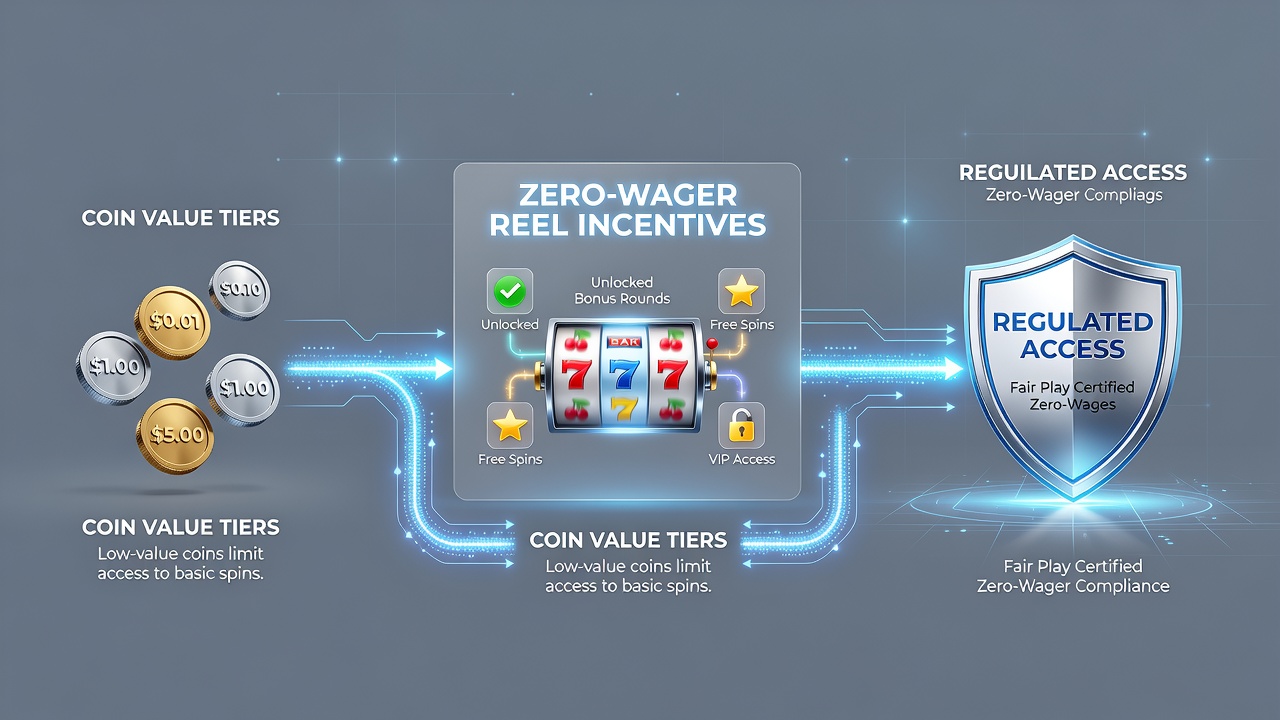
Industry associations such as the European Gaming and Betting Association have compiled comparative tables across member states, and those resources indicate that coin-value rules often intersect with responsible gaming limits on maximum stakes. Platforms operating under these frameworks must therefore maintain separate bonus engines for different coin denominations to avoid breaching either promotional or wagering regulations.
Practical Examples from Licensed Markets
Take one operator licensed in multiple European markets that segments its no-wager reel incentives into three coin-value bands, and internal reports indicate the lowest band captures the majority of new account activations while mid-range coins drive repeat engagement. Another case documented by researchers at a Canadian university tracked bonus redemption rates across 12 months and observed that coin values above 0.50 units correlated with faster completion of any remaining playthrough elements even when the incentive itself carried zero-wager status.
Figures released by the New York State Gaming Commission demonstrate that stake-tier segmentation affects the distribution of zero-wager offers, with lower-coin games receiving proportionally more promotional volume during peak periods. These patterns emerge because operators optimize inventory allocation to match regulatory reporting categories rather than arbitrary preference.
Conclusion
Coin values function as gatekeepers for zero-wager reel incentives because regulated platforms embed denomination thresholds into both software and licensing conditions. Data collected across jurisdictions shows consistent relationships between selected coin amounts and bonus availability, while upcoming changes scheduled for September 2026 will further standardize how operators communicate these linkages. Players who review published stake tables gain factual insight into which coin selections align with specific incentive structures in their chosen markets.